

Practical Sales Training™ > How to connect with your buyer > The Wordplay Effect
The Wordplay Effect
What Is It
If you want your message to seize attention, there are technical things you can do. These can help make your communication more mellifluous and more impactful.
So this isn’t about basic clarity. It’s about polish on top of a message that already works.
It builds on the foundation. It doesn’t replace it.
Why Does It Work
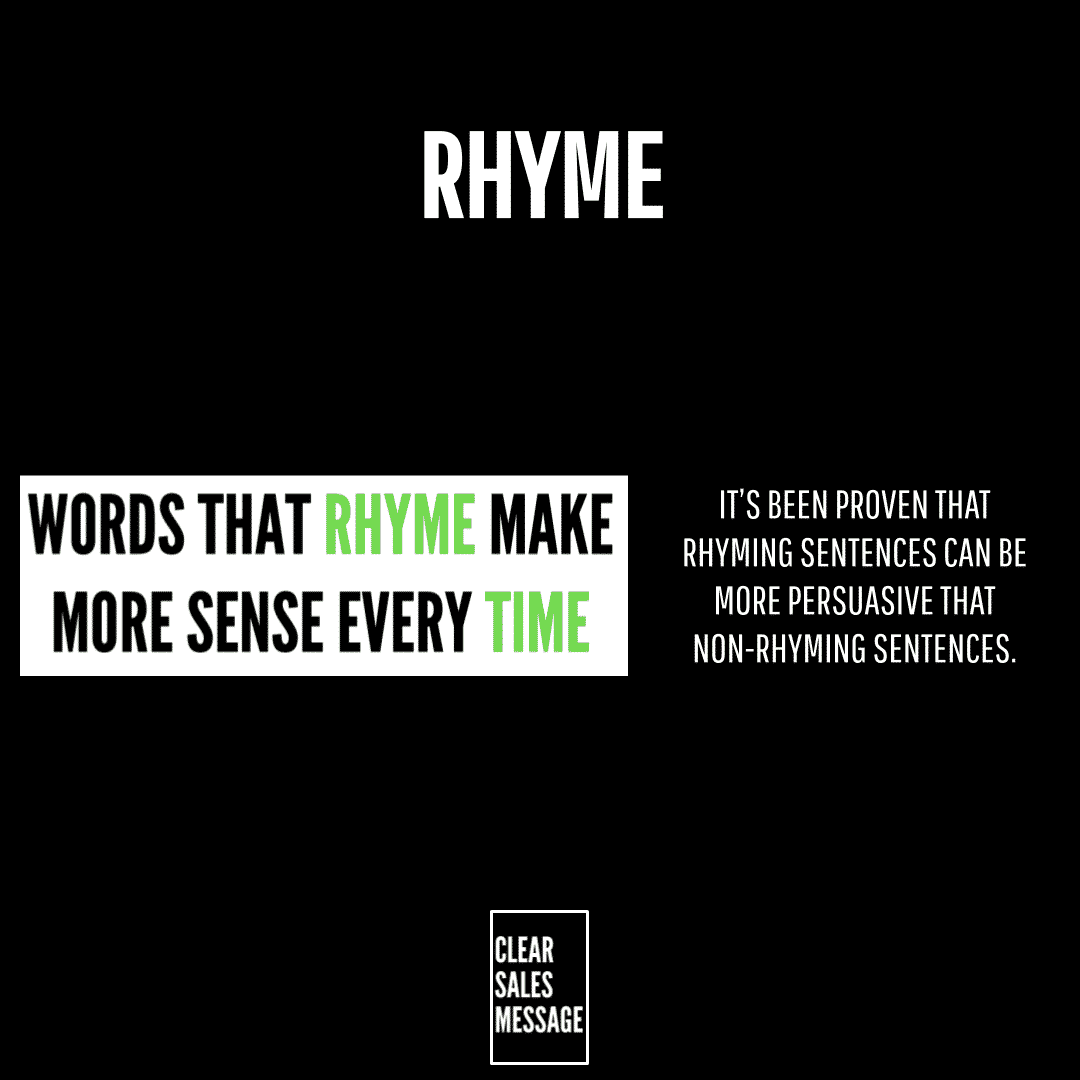
By changing the mechanics of the words and phrases we use, we can tap into certain patterns. Rhyme, for example, often makes things more memorable.
It also feels more established. Things don’t rhyme by accident, so a rhyme feels deliberate and true. This is The Rhyme as Reason Effect.
Please note: Whilst these things do work and help make your message more impactful, they’re essentially worthless unless you’ve first made your message simple, clear, and easy to understand.
Polish only helps a message that already lands. Add wordplay to a confusing message, and you just get confusing wordplay.
How Can You Use It
There are a number of ways to use wordplay to your advantage. Here are 10 examples:
- Use a dual meaning – “Hire standards” can mean both “higher” and “hire”, both have a positively ambiguous meaning.
- Change a popular phrase or idiom – “Seize the day” becomes “Seize the date” for a dating website.
- Use rhyme, it works most of the time.
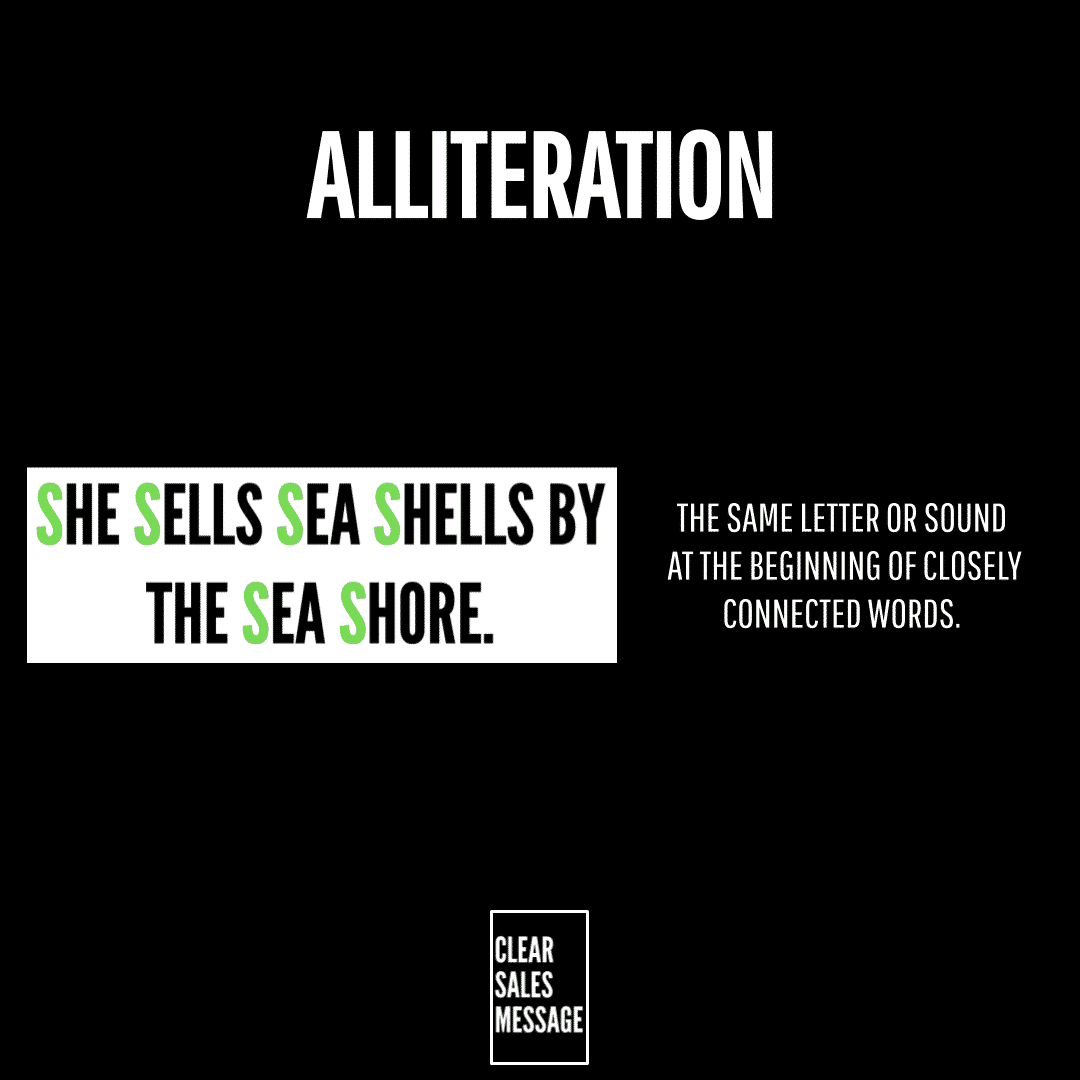
- Alliterate every word, as it aids everything…
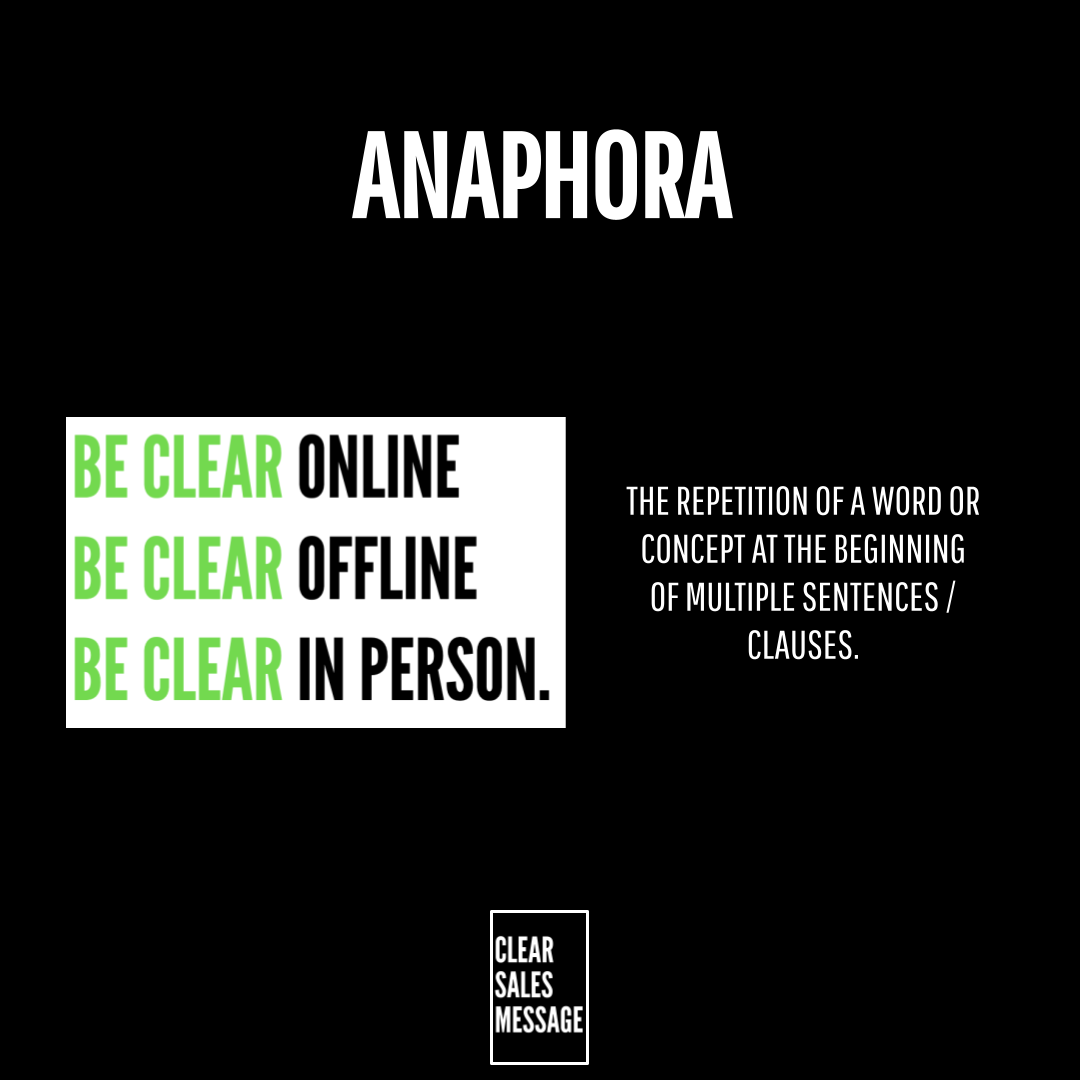
- Repeat yourself with Anaphora. Repeat yourself when it’s possible. Repeat yourself to make your point.
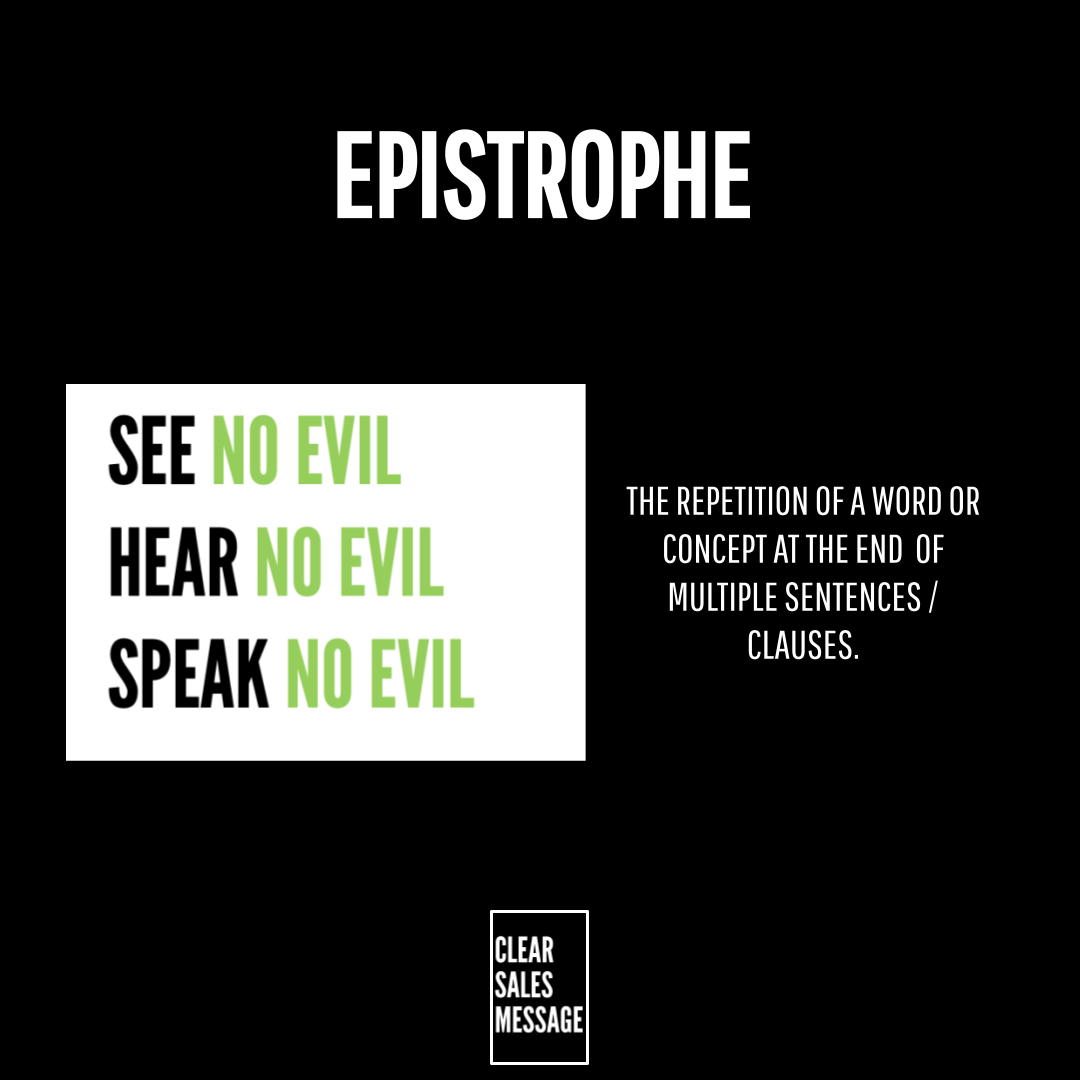
- Use Epistrophe to repeat the end of your sentences. So everything is the same at the end of your sentences. And you know how to end your sentences.
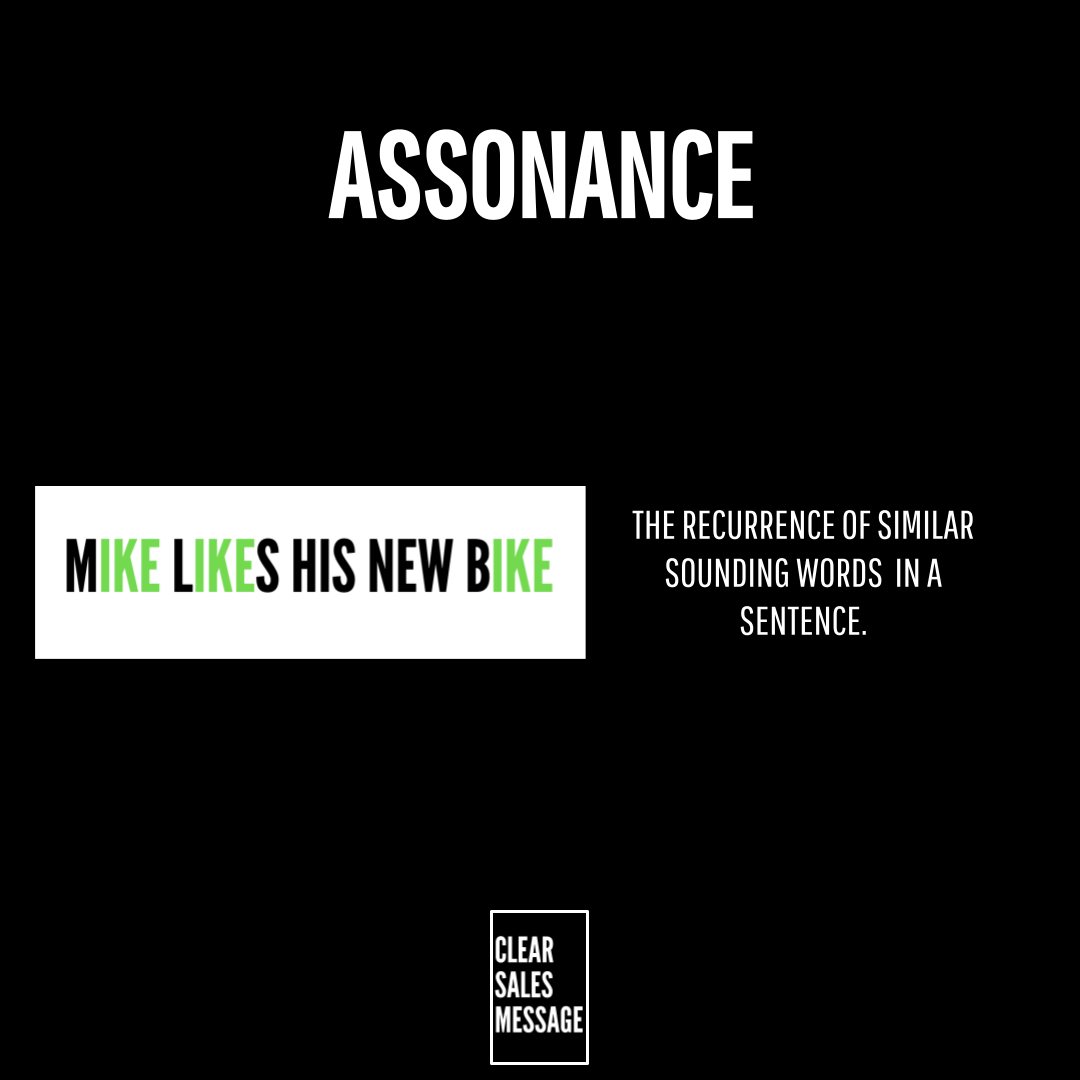
- Assonance is a repeated vowel sound in nearby words.
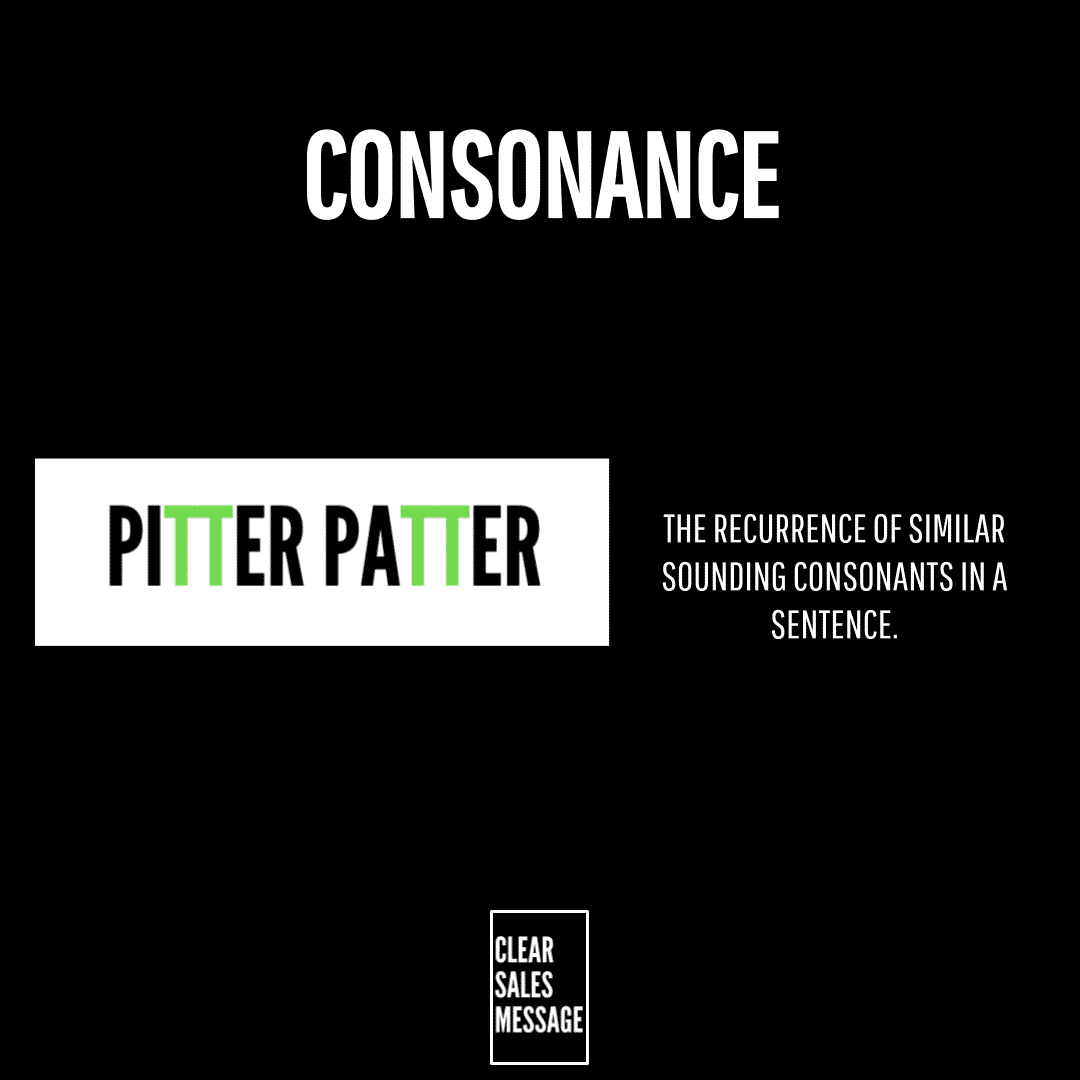
- Consonance is repeating consonant sounds in nearby words.
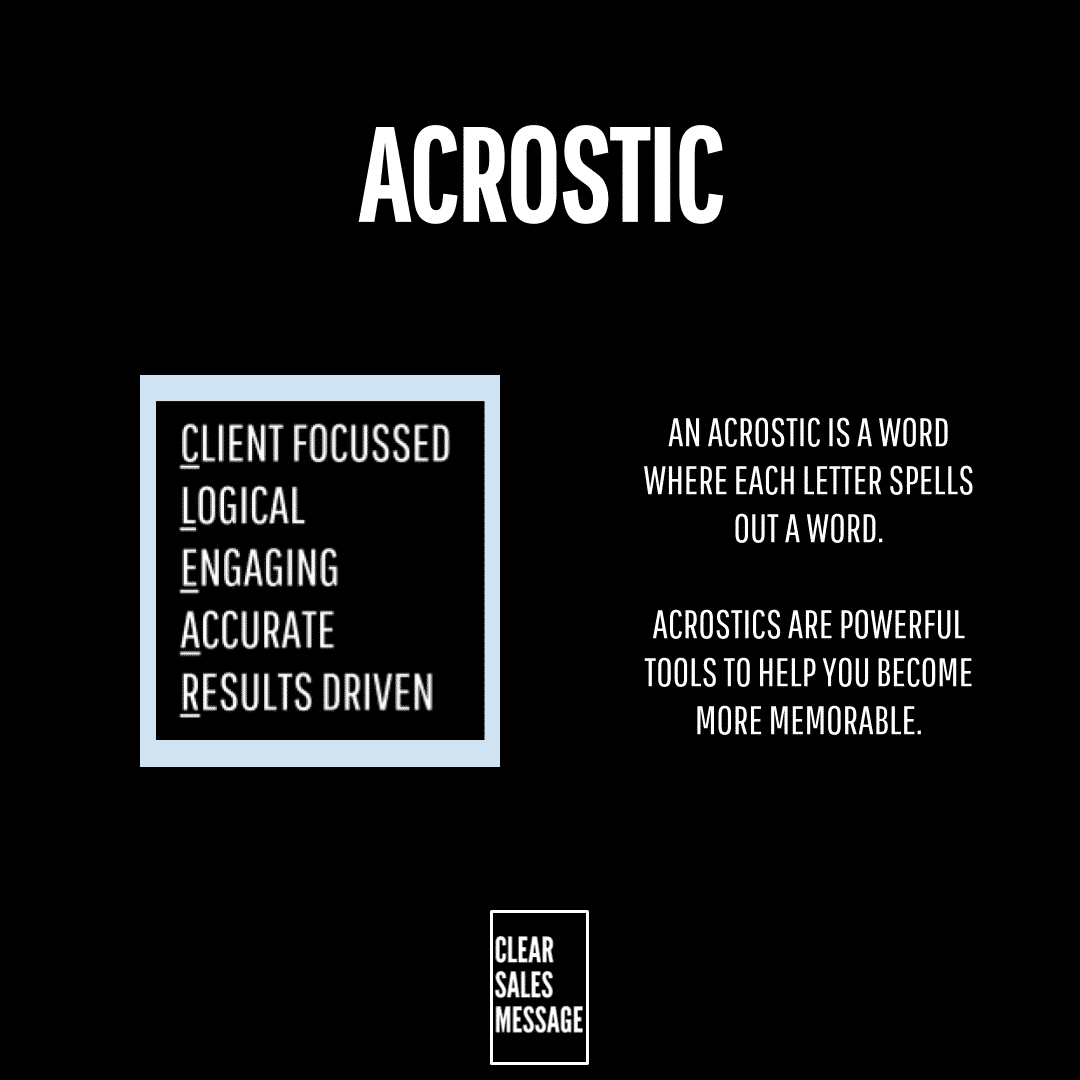
- Acrostics are acronyms that spell real words. We use this for CLEAR in Clear Sales Message™.
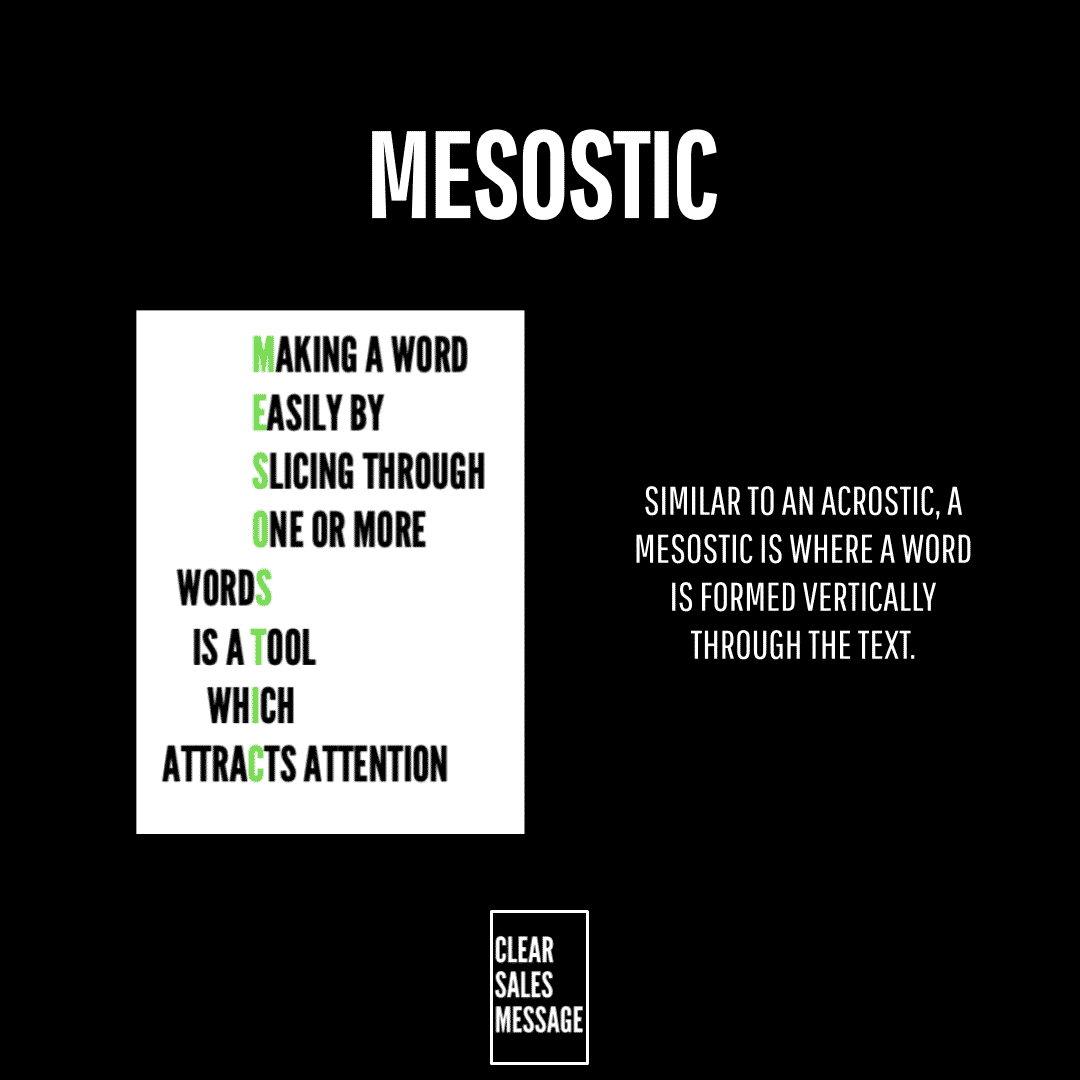
- Mesostics are like acrostics, but the middle of the words align to spell something, rather than the start.
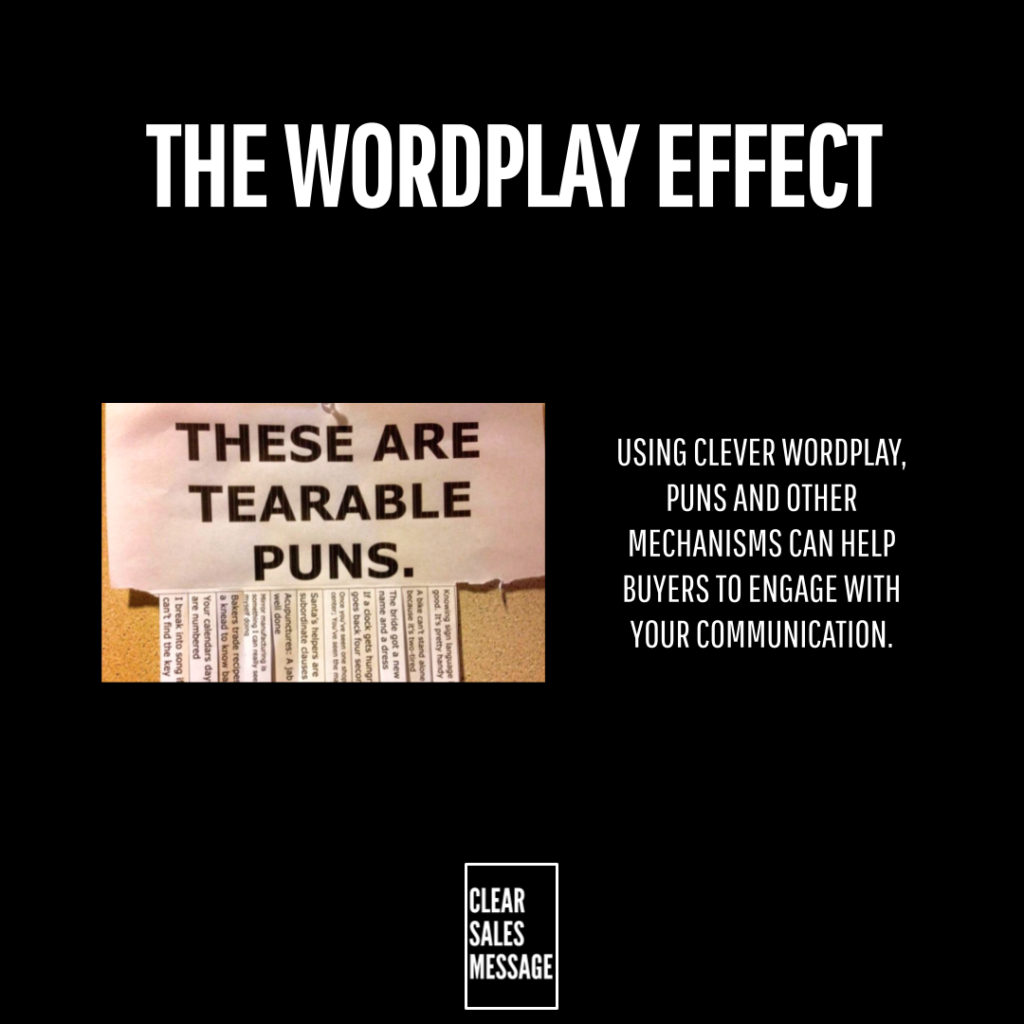
- You can use puns like the one I use to explain the Typography Effect.
- Onomatopoeia (yes, I had to Google the spelling), these are words that sound like the thing they describe, such as “BANG”, “BOOM” or “POW”.
When It Works Best
This works best once your core message is already simple and clear. Wordplay should decorate a strong message, not disguise a weak one.
It also works best in short, memorable phrases, taglines, headlines, and slogans, rather than long stretches of body text.
When It Becomes Dangerous
It backfires if the wordplay obscures the actual meaning. A clever pun nobody understands does more harm than a plain, boring sentence.
It also becomes risky if it’s used to dress up a message that’s genuinely unclear underneath. The trick gets noticed, and the confusion remains.
Overusing every technique at once causes its own problem. A message stuffed with rhyme, alliteration, and puns together starts to feel exhausting rather than clever.
Common Mistakes
Adding wordplay before fixing clarity
Polishing a confusing message just produces confusing wordplay. Get the plain meaning right first, then decorate it.
Stacking too many techniques at once
Rhyme, alliteration, and a pun all in one line starts to feel like a tongue twister rather than a message. Pick one technique and let it do the work.
Choosing cleverness over comprehension
If a reader has to pause and puzzle over the wordplay, it’s already failed its job. It should land instantly, not require decoding.
The Wordplay Effect – An Example
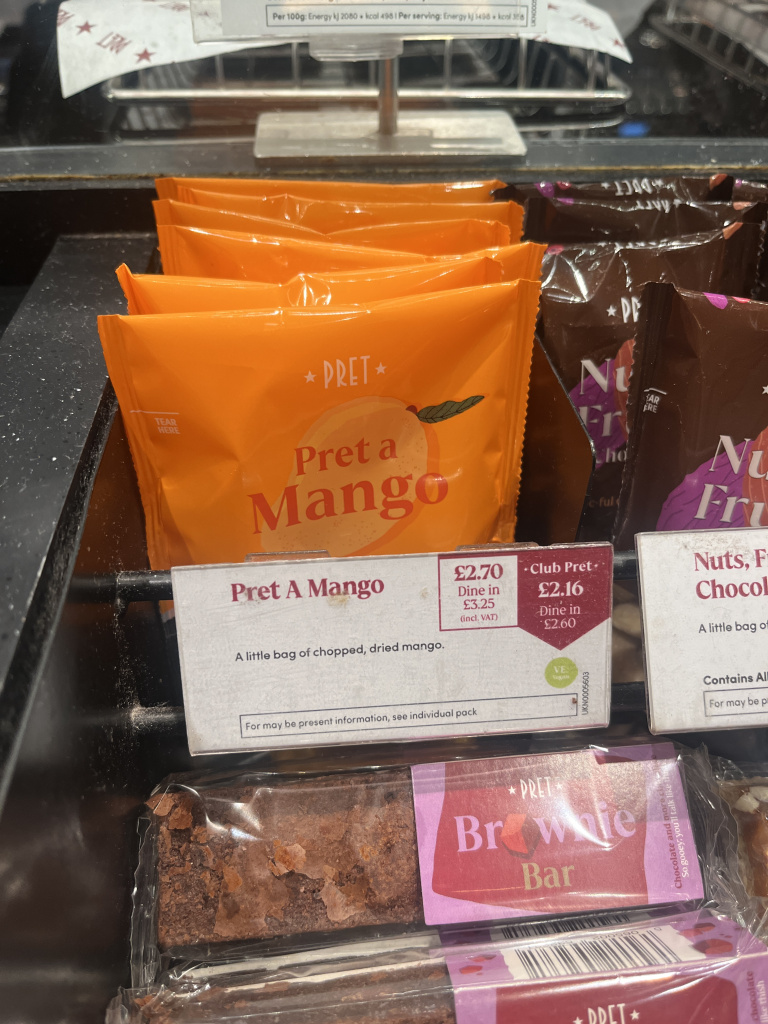
Pret a Manger’s Pret A Mango
The company Pret a Manger in the UK have an on brand name for their mango snacks. Funny and clever.
The pun works because it’s built on their existing brand name, “Pret a Manger.” So the wordplay reinforces the brand instead of distracting from it.