
Practical Sales Training™ > How To Get Attention > The Safety First Effect

The Safety First Effect
What Is It
Particularly since Covid-19, there’s been a greater focus on the safety element of the things we buy. So it’s not just what a product does. It’s also how safe it is to use, touch, or be near.
It’s a layer of consideration that barely existed a decade ago for most industries. Yet now it sits quietly behind a huge range of buying decisions.
Ignoring it doesn’t make it go away. Instead, it just means a competitor gets to answer the question you didn’t.
Why Does It Work
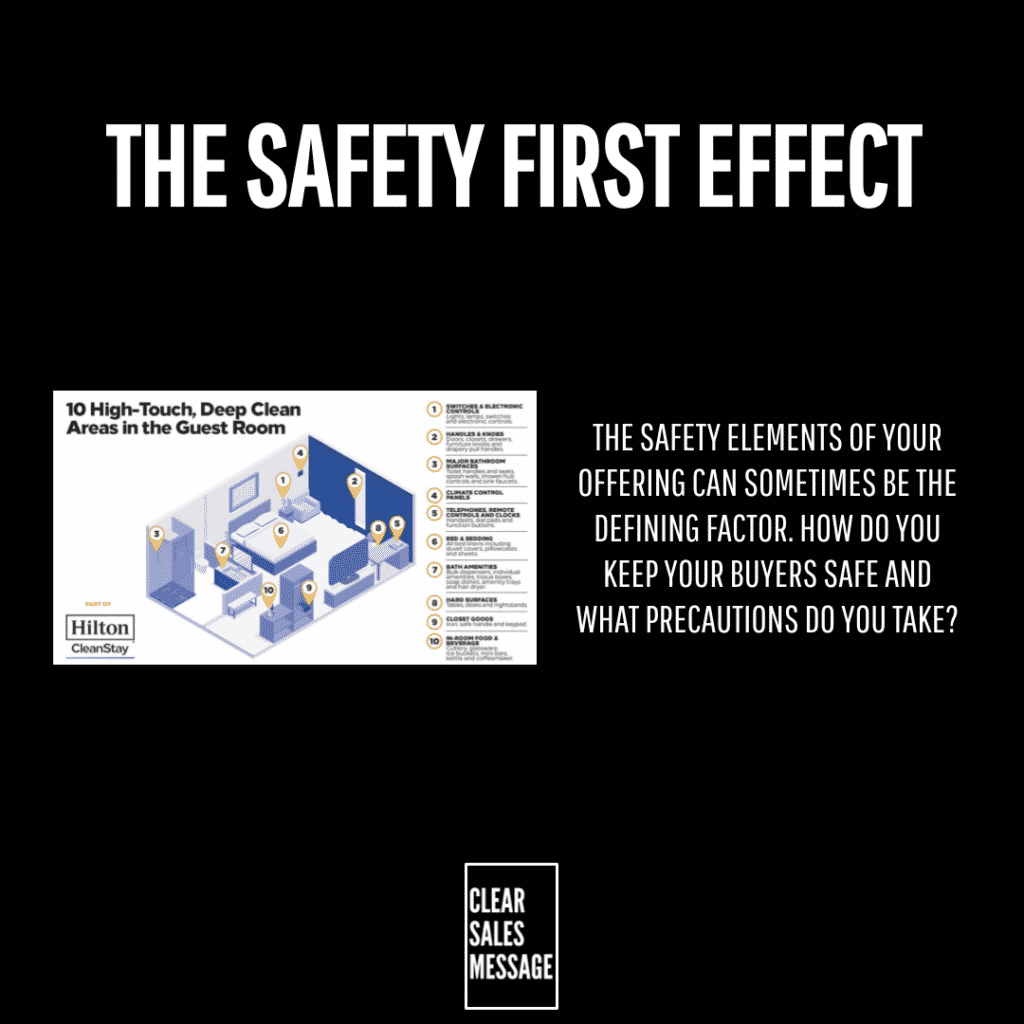
It works because many people are more aware than ever of hygiene, infection control, and the fragility of life. As a result, many offerings with little previous connection to health and safety, staying in a hotel, for example, now have to focus heavily on how each room gets sanitised between guests.
Hygiene and infection control might be a short term consideration in some markets. But it’s still an important factor that can sway buying behaviour, even quietly, even when nobody mentions it out loud.
There’s a trust element underneath it too. So a business that visibly takes safety seriously implies it takes everything else seriously as well.
How Can You Use It
Find where the unspoken safety question sits
Consider where your buyers may have questions about hygiene, infection control, and safety with your offering. Most buyers won’t ask directly. But the concern is often still there.
Answer with specifics, not reassurance alone
From how things are sanitised between clients, to precautions you take and cleaning schedules you follow, answer the question before it gets asked. So how can you assure a buyer that your offering is safe, clean, and hygienic?
Make the safety measures visible, not just documented
A safety policy buried in a PDF nobody reads does very little. Instead, show the process itself, a photo, a short video, a visible seal, so buyers see the reassurance rather than just being told about it.
When It Works Best
This works best anywhere a buyer has close physical contact with your product or environment. Hospitality, healthcare, food, and personal products all qualify.
It also works best when the safety measure is genuinely new or notable. Otherwise it’s just another claim every competitor already makes in identical language.
When It Becomes Dangerous
It backfires if the claim doesn’t hold up under scrutiny. So a safety promise that turns out exaggerated damages trust far more than never making the claim at all.
It also becomes risky if it draws attention to a risk buyers hadn’t previously considered. As a result, highlighting a safety measure can accidentally plant a doubt that wasn’t there before.
Leaning on it too heavily can undercut everything else too. If safety becomes the entire pitch, buyers start wondering what’s wrong with the product itself.
Common Mistakes
Making vague safety claims
“We take safety seriously” tells a buyer nothing concrete. So name the actual process, the actual schedule, the actual standard you follow.
Treating it as a one time announcement
A safety message posted once and forgotten stops reassuring anyone after a few weeks. Instead, keep it visible and current, not a relic of an old campaign.
Overplaying a risk that wasn’t really there
Manufacturing a safety concern just to solve it reads as opportunistic. So only lead with this where the concern is genuine, and where the buyer would have thought of it anyway.
The Safety First Effect – An Example
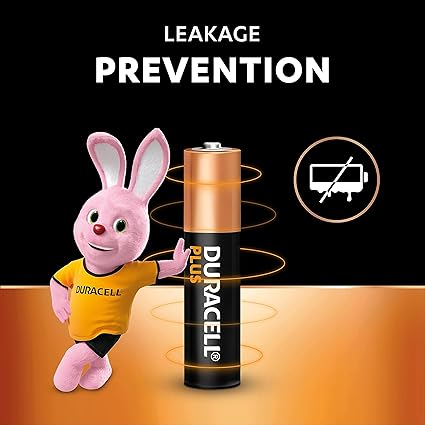
Duracell’s Leakage Prevention
Duracell actively promote the preventative steps they’ve taken against battery leakage. It’s a safety concern most buyers wouldn’t think to ask about directly. But it’s one that sits quietly in the back of their mind.
By naming the specific protection, rather than a vague promise of quality, the claim becomes something buyers can actually picture and trust.
See also