
Practical Sales Training™ > How to connect with your buyer > Information Gaps

Information Gaps
You read an email subject line that says “the one thing you must do before your next sales call” and before you have even thought about it, you have opened the email. That is an information gap at work.
It is not a trick. It is how the brain operates. When we see something incomplete, we feel an urge to complete it. The gap creates tension, and we want to resolve it. So we click, we read, we ask.
In sales and marketing, that instinct is one of the most useful things you can tap into. Information gaps cost nothing to create and work across almost every channel you use.
What Are Information Gaps?
An information gap is what happens when you present someone with an incomplete piece of information. The brain registers the missing part and immediately wants to find it. That pull is almost automatic. It does not require the reader to be especially curious or motivated. The gap does the work.
A good email subject line uses this idea well. “Why your best clients are about to leave” creates a gap. The reader does not know why, but they want to. So they open the email to find out. The gap made the decision for them before they had time to think.
Information gaps show up in subject lines, headlines, social posts, opening lines of emails, spoken questions, and even physical products. Any time you hint at something without giving it away, you create a gap. And gaps drive engagement.
Why Do Information Gaps Work?
They work because the human brain needs to fill in what is missing. When you see an incomplete sentence or a question that goes unanswered, the brain stays with it. That feeling of not knowing is uncomfortable. So we do something about it.
This connects to The Anticipation Effect. When something is coming but has not arrived yet, we think about it more than we would if it simply appeared. The gap keeps us engaged in the waiting. Because the resolution feels earned, it also lands with more impact when it comes.
Also, information gaps work because they feel less like a push and more like a pull. A direct sales message tells you what to think. An information gap invites you to find out. That shift from push to pull makes the buyer feel in control, even when the gap was placed there on purpose. People act on their own curiosity far more willingly than on someone else’s instruction.
How Can You Use Information Gaps In Sales?
The key is to give enough to spark curiosity but not enough to satisfy it. The gap needs to feel worth closing. If the incomplete information is too vague, people shrug and move on. If it is too specific, there is nothing left to find out. The sweet spot is a hint that points clearly at something the buyer cares about.
Use Them in Email Subject Lines
Email subject lines are the most common place to use information gaps, and for good reason. The subject line is the only thing standing between your email and the bin. A gap-based subject creates a reason to open before the reader has weighed up whether they want to. “The pricing mistake most businesses make” or “what your rivals already know” both work because they promise something specific without giving it away. So the reader opens to get it.
Use Them in Social Media Posts
On social platforms, the gap often appears in the opening line before the “read more” cut-off. When that first line raises a question or hints at something unexpected, people click through to see the rest. A post that opens with “I lost my biggest client last year. Here is what it taught me.” creates a gap that pulls the reader in. Because they want the lesson, not just the story.
Use Them in Sales Conversations
Information gaps work in spoken sales too. A question like “can I show you the one thing most businesses in your sector overlook?” creates curiosity before you have said anything of substance. The buyer leans in. They want to know what it is. That engagement makes the rest of the conversation land much better, because you have the buyer’s attention before you have asked for anything.
Use Them in Content and Blog Headlines
Blog and article headlines benefit enormously from information gaps. “Five things your competitors know that you don’t” or “the sales mistake even experienced reps make” both create a pull to read on. Because the reader wants to know if they are in the group that is missing something. That slight worry about being left out is a very effective trigger for a click.
When Information Gaps Work Best
They work best when the topic is something the reader already cares about. A gap about a subject that means nothing to them creates no pull at all. But a gap about something relevant to their job, their business, or their goals creates real tension. So the more targeted your audience, the more effective the gap.
They also work best when the payoff delivers. If someone opens an email because the subject line created a strong gap, and the content inside does not live up to it, trust drops. The gap should always lead somewhere worth going. When the resolution is good, the reader is glad they clicked. When it disappoints, they feel tricked. And tricked buyers do not come back.
Also, information gaps work best when they feel natural rather than forced. A gap that is too clever or too contrived makes the reader aware of the technique. When that happens, the curiosity turns into mild irritation. So keep the language simple and the hint genuine. The best gaps feel like a natural part of the conversation, not a copywriting formula.
When Information Gaps Become Dangerous
The main risk is overpromising and underdelivering. When a subject line creates a big gap and the email content is weak, the reader feels let down. Do it too often and your open rates will drop, because buyers learn that your gaps lead nowhere worth going. So only create a gap when the content behind it is strong enough to justify the curiosity.
There is also a trust issue when gaps feel manipulative. Clickbait headlines that promise the world and deliver nothing have trained many buyers to distrust gap-based copy. So the gap must feel honest. It should hint at something real and specific, not just use dramatic language to manufacture false urgency.
However, the most common danger is overuse. When every email, every post, and every headline uses a gap, the effect fades. Buyers become immune to it. So use gaps at key moments, in the places where curiosity will do the most work, rather than as a default style across all of your communication.
Common Information Gap Mistakes
Being Too Vague
One common mistake is creating a gap that is so vague it sparks no curiosity at all. “Something interesting happened last week” tells the reader nothing worth chasing. But “the call that cost me a £20,000 client” gives them a specific, compelling hook. The gap needs to point at something the reader actually wants to know. Vague hints create no tension. Specific hints create real pull.
Failing to Deliver on the Promise
Another mistake is creating strong curiosity and then burying the answer under filler content, or not delivering it at all. When a reader opens an email to find the gap was just a hook with nothing behind it, they feel misled. So make sure the resolution is clear, useful, and easy to find. Because the gap earns the click. The content earns the trust.
Using the Same Format Every Time
A third mistake is using the same gap structure in every piece of communication. When buyers see the same pattern again and again, they stop responding to it. So vary the format. Sometimes lead with a question, sometimes with a hint, sometimes with an unexpected statement. Keeping the approach fresh keeps the curiosity alive. Because familiarity is the enemy of curiosity.
Information Gaps – An Example
The toilet roll brand Who Gives a Crap puts a mystery QR code on their toilet rolls. You only see it when you finish the roll. They give no hint about where it leads or what it does.
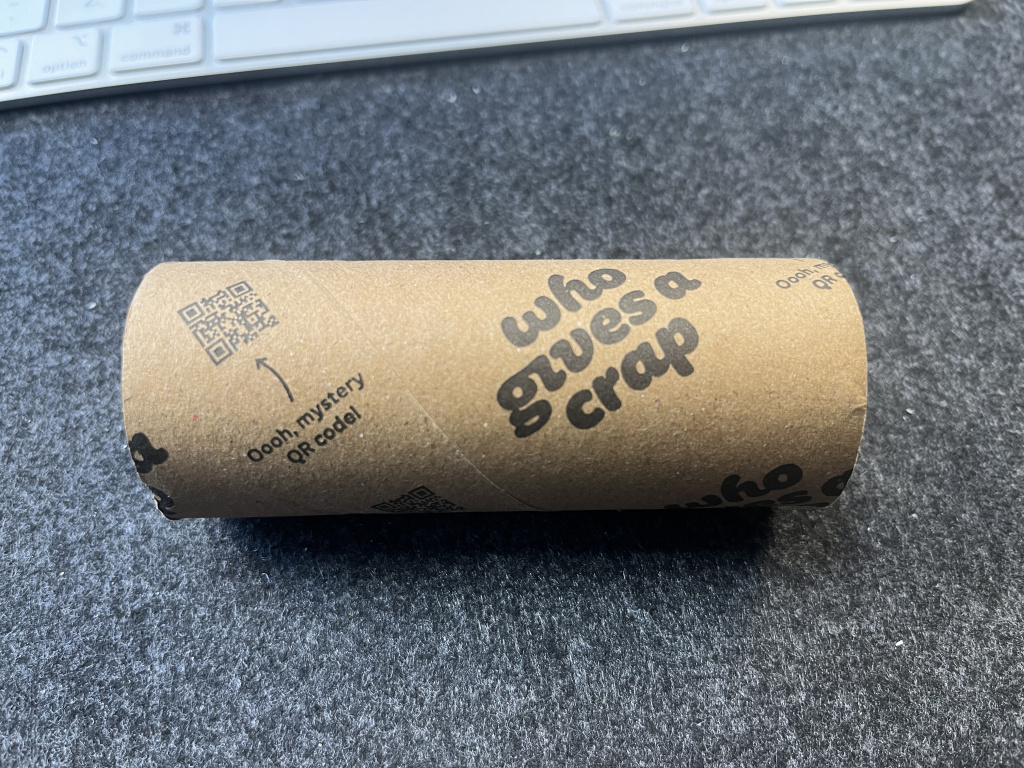
That mystery is a perfectly placed information gap. At the moment you discover it, you are already curious. The brand says nothing about it, which makes the pull even stronger. Scan it and find out (it goes here, if you really want to know).
It is a small detail that creates a memorable moment and keeps the brand in the buyer’s mind long after the purchase. That is the information gap doing its job. Not just getting attention, but holding it.
See Also
- The Anticipation Effect
- 150+ ways to connect with your buyer
- 100+ ways to get your buyer to take action